

Lighting Is About More Than Footcandles: Illuminate Session Explores the Emotional Side of Design
CHICAGO — Most lighting presentations begin with specifications, controls, and performance metrics.
This one began with emotion.
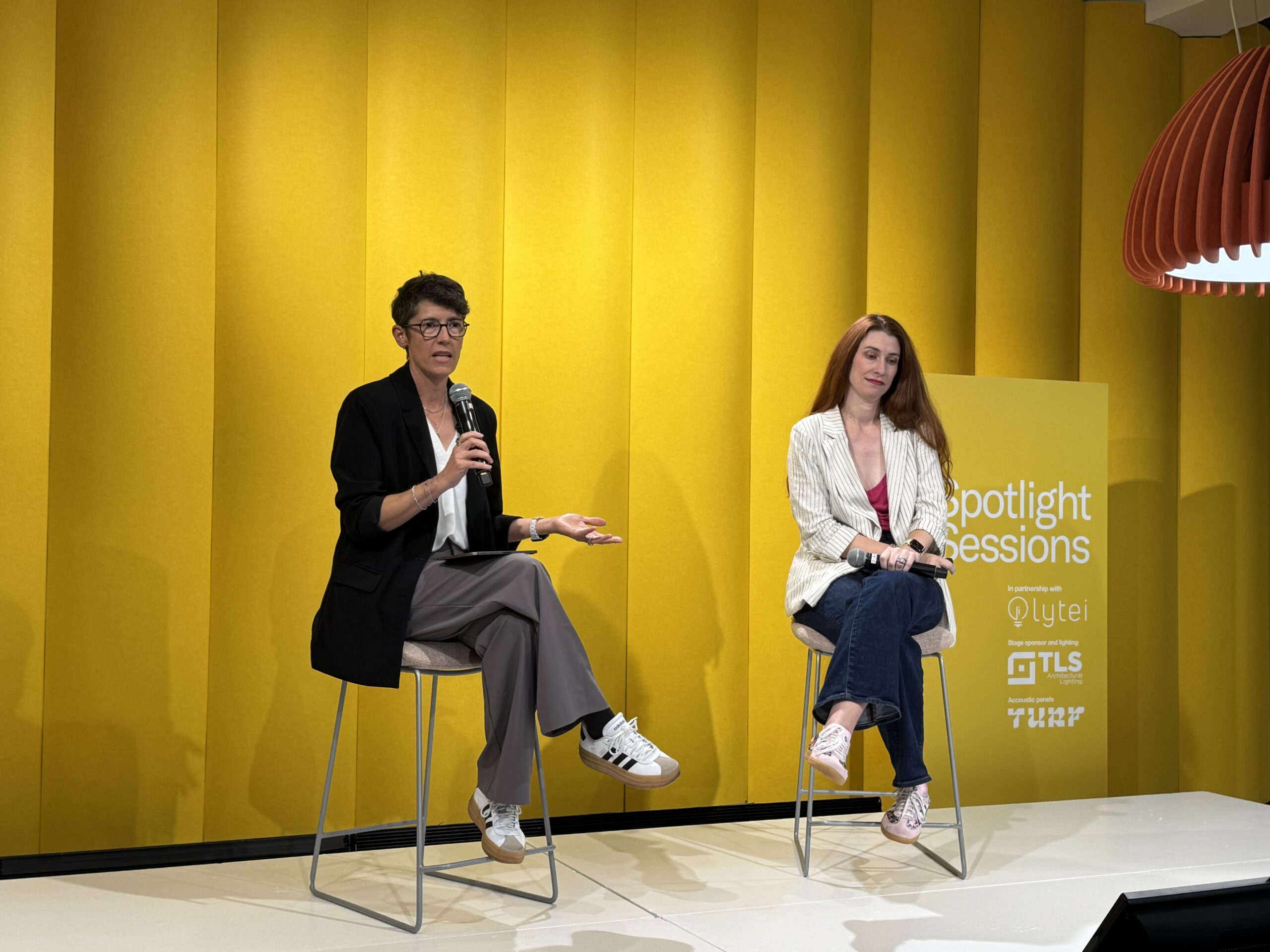
During an Illuminate at NeoCon session led by Katherine Stekr, CLD, IALD, IES, EDAC, LEED AP BD+C, founder and principal of STEK Design Co., and Rachel Fitzgerald, CLD, IALD, IES, LEED AP BD+C, senior principal and discipline lead for lighting at Stantec, attendees were challenged to think about lighting the way building occupants do.
Not in terms of beam spreads or light levels. But in terms of how a space feels.
Throughout the discussion, one theme surfaced repeatedly: people rarely remember lighting fixtures. They remember experiences.
We Experience Life, Not Buildings
The session encouraged designers to step back from the technical side of the profession and remember why lighting matters in the first place.
Most occupants never walk into a room and admire a fixture schedule. They do not comment on distribution patterns or celebrate achieving a target footcandle level.
Instead, they notice atmosphere.
They notice warmth, texture, depth, and comfort.
The discussion framed lighting as a tool for creating emotional connections rather than simply illuminating architecture. Technical calculations remain important, but they serve a larger purpose: helping people experience spaces in meaningful ways.
What Hollywood Understands About Lighting
One of the more memorable portions of the session examined scenes from Disney Pixar films.
The examples demonstrated something lighting designers have long understood. Lighting communicates emotion before a single word is spoken.
In one scene from Brave, darkness surrounds the main character as she begins a difficult journey. The lighting immediately creates a sense of uncertainty and danger.
In another example from Tangled, brighter light guides the character toward a hopeful destination. Without any dialogue, viewers instinctively understand that the emotional tone has changed.
The lesson extends far beyond movies.
Whether in film, theater, hospitality, retail, or workplace environments, lighting helps shape emotional responses and influences how people interpret a space.
Comfort Is the Real Metric
Another major takeaway focused on comfort. A space can satisfy every lighting code and still feel uncomfortable. That distinction often gets lost in discussions about standards and compliance.
The conversation repeatedly returned to a simple question: Do people actually want to spend time in the space?
Comfort is not listed on the specification sheet. It cannot be reduced to a single measurement. Yet it remains one of the most important outcomes of successful lighting design.
Layering, contrast, brightness, shadows, and visual balance all contribute to that experience. When those elements work together, occupants feel comfortable without necessarily knowing why.
Looking to Nature for Inspiration
The session also explored humanity’s oldest lighting source: the sun.
Natural light provides cues about time, activity, and emotion. Warm light near sunrise and sunset encourages people to slow down and relax. Brighter, cooler daylight promotes alertness and activity.
Those patterns continue to influence how people respond to interior environments.
The discussion suggested that many successful lighting designs draw inspiration from those natural experiences. Warm lighting can make a restaurant feel inviting on a cold Chicago evening. Brighter lighting can encourage energy and focus in offices, schools, and healthcare environments.
Rather than fighting human instincts, effective lighting design often works with them.
Color Remains an Underused Design Tool
Color was another topic that generated discussion.
Too often, lighting design becomes synonymous with white light. Yet color remains one of the most powerful tools available to designers.
Color influences perception, emotion, and memory.
A subtle shift in color can completely change how a space feels. It can create excitement, calmness, intimacy, or energy. It can also carry different meanings across cultures.
The session highlighted how thoughtful use of color can help create memorable experiences and strengthen the emotional impact of a space.
Beyond Compliance
As the session concluded, attendees were reminded that lighting design is both a science and an art. The science provides the tools. The art determines how those tools are used.
Codes, standards, and calculations remain essential. However, they are only part of the equation. The larger goal is creating environments that people enjoy, remember, and want to return to.
That idea aligned well with the broader theme of Illuminate at NeoCon. While products and technologies continue to evolve, the ultimate purpose of lighting remains unchanged.
It shapes how people experience the world around them.
Read more: More Than Illumination: ArtLifting Explores Light, Art and the Brain