

LIRC Meeting Highlights a Changing Lighting Industry
A standing-room-only crowd gathered for the Lighting Industry Resource Council (LIRC) meeting during IALD Enlighten Americas. Before the breakout sessions, the agenda covered three important developments: the evolution of Light + Intelligent Building North America, a new strategy for attracting students to lighting design, and expanded resources for IALD members.
However, perhaps the most encouraging news came from the IALD Education Trust. Its leadership outlined a more focused approach to developing future lighting designers while reporting a dramatic reduction in administrative expenses.
The meeting also demonstrated how closely the lighting profession’s future is tied to education, technology integration, and industry collaboration.
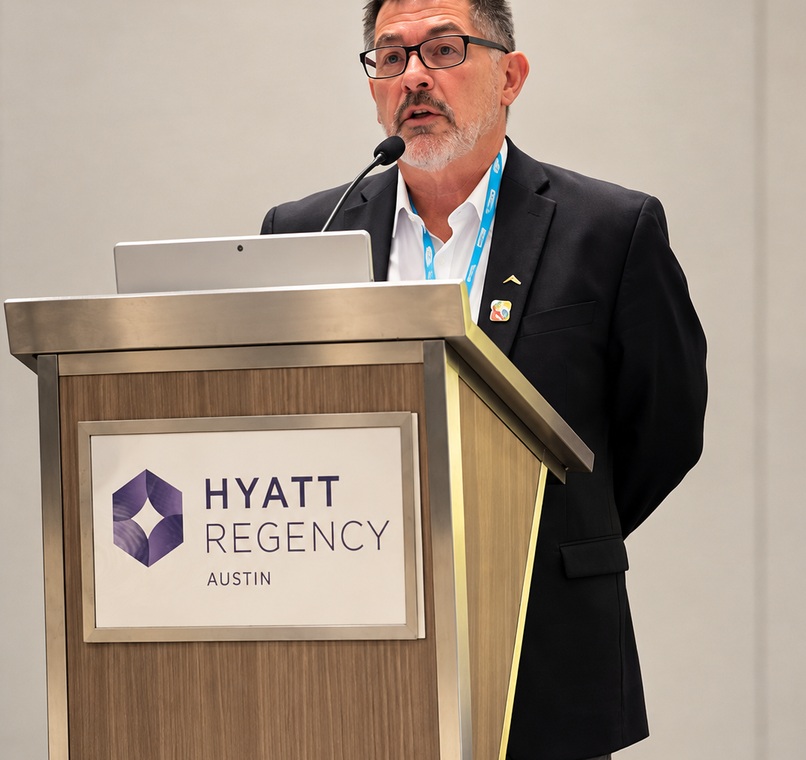
Ron Kurtz and Carla Wilkins Open the LIRC Meeting
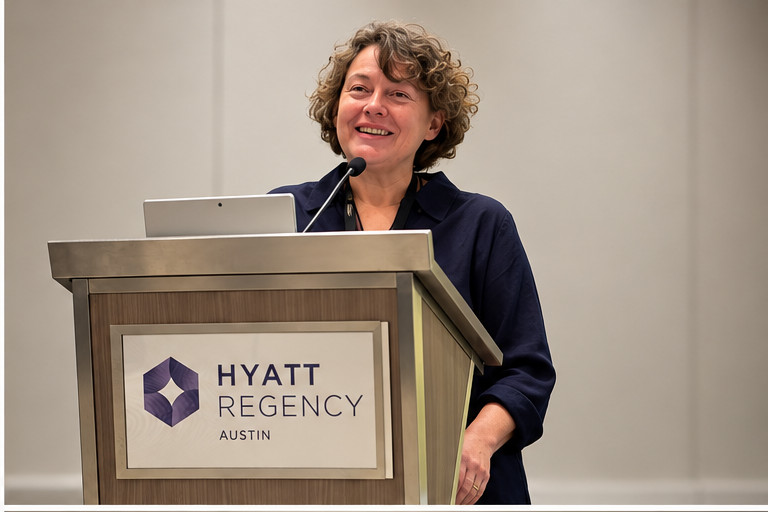
Ron Kurtz, IALD, co-chair of the LIRC Steering Committee, opened the meeting and welcomed attendees. Ron then introduced Carla Wilkins, IALD, CLD, president of the IALD, who offered brief introductory remarks before turning the program over to the featured presenters.
The LIRC provides a formal connection between lighting manufacturers and the professional lighting design community. Its Steering Committee helps identify shared priorities and develop initiatives that support the IALD’s mission.
The council’s role extends beyond networking. It creates opportunities for manufacturers and designers to work together on education, professional development, and challenges facing the industry. IALD
Light + Intelligent Building North America Takes Shape
LaToya Gooding, Senior Show Manager for Light + Intelligent Building North America at Messe Frankfurt, provided one of the meeting’s most anticipated updates.
The new event, scheduled for 15-18 March, 2027, at the Las Vegas Convention Center, represents a significant departure from the traditional LightFair model.
LaToya explained that lighting and building technology have converged. Consequently, the new show intends to bring these disciplines together rather than treat them as separate industries. The exhibition will feature three primary sectors: lighting, building technology, and components and accessories.
This expanded scope reflects changes in how buildings operate. Lighting increasingly connects with automation, sensors, controls, software, and building management systems. The show intends to address these relationships while maintaining a strong foundation in architectural lighting.
One particularly important audience will be systems integrators. Gooding explained that Messe Frankfurt is actively recruiting these professionals, recognizing their growing influence over building technology decisions.
The event’s owners include Messe Frankfurt, the IALD, and the Illuminating Engineering Society (IES).
Lighting Designers Will Shape the Education
Perhaps the most welcome announcement involved the educational program. LaToya explained that organizers listened to feedback from the lighting community. Attendees wanted educational content developed with direct input from practicing lighting designers.
As a result, Sharon Stammers and Martin Lupton of Light Collective will help curate the conference education.
This decision should help ensure that the programming addresses the practical concerns of lighting designers rather than simply promoting products or technologies.
Another significant change involves the conference schedule. The traditional two-day conference format will become a one-day pre-conference program, while additional education will take place directly on the exhibition floor. This approach should give attendees more time to explore exhibits without sacrificing educational opportunities.
According to LaToya, 93 speakers had been confirmed at the time of the meeting. Additionally, 72 individuals had applied for expense assistance through the Luminaire Leaders program.
The message was clear: organizers want a show that reflects how lighting professionals actually work, while giving them greater access to technologies and disciplines influencing their projects.
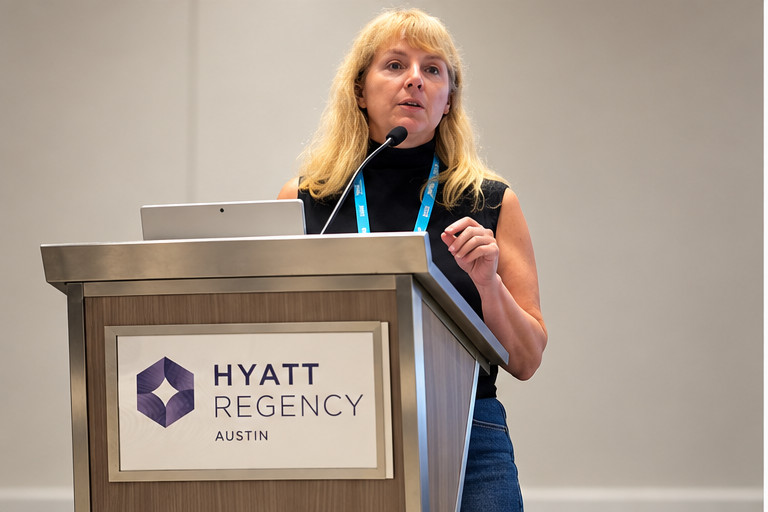
Jill Cody Announced Dramatically Lower IALD Education Trust Expenses
IALD Education Trust Changes Its Approach to Recruiting Designers
Jill Cody, IALD, CLD, president of the IALD Education Trust and principal of Dark Light Design, delivered what may have been the meeting’s most consequential presentation.
Jill explained that the Trust is changing its strategy to address a fundamental challenge: attracting more students into the lighting design profession.
Historically, the Trust concentrated much of its support on travel stipends that helped students attend industry conferences and educational events. While those programs provided valuable experiences, Jill acknowledged a limitation. Many recipients were already pursuing lighting design careers.
In other words, the Trust was primarily supporting students who had already discovered the profession. The new strategy seeks to reach students before they make that decision.
Jill explained that the Trust wants to use its limited resources more strategically. Rather than spreading funding across numerous initiatives, the organization intends to concentrate on programs that can make a measurable difference.
Reaching Students Who Have Never Considered Lighting Design
The shift began taking shape during last year’s Enlighten Americas conference.
The Trust assembled a group of educators to discuss how the profession could reach a broader student population. Your humble editor briefly attended that discussion and observed the effort to identify new approaches.
This year, the Trust expanded the conversation by bringing together a larger group of educators, including representatives from local institutions such as Texas Christian University (TCU). Importantly, the discussion now includes educators and students from related disciplines, particularly interior design.
These students already study architecture, space, materials, and the built environment. However, many may never have considered lighting design as a distinct career. The Trust hopes to introduce them to the profession through targeted educational programs, mentorship, and direct engagement with practicing designers.
Forty Students, Four Potential Lighting Designers
Jill offered a particularly revealing example from ArchLIGHT Summit in Dallas. Approximately 40 students attended the event. Of those, four expressed significant interest in pursuing lighting design.
That represents a 10% conversion rate. Rather than viewing the number as modest, Cody described it as an encouraging starting point.
A Two-Phase Plan for Lighting Design Education
The Trust has identified several initiatives, although implementation will depend on available funding.
The first phase concentrates on two priorities. A mentorship and portfolio review program would connect students with experienced lighting designers. These relationships could help students understand career opportunities, develop their portfolios, and establish professional connections.
The second initiative involves introductory teaching content. These materials would help educators expose students in related disciplines to lighting design concepts. Jill indicated that the Trust hopes to advance the initial initiatives, with the timing dependent on funding.
A second phase would expand the effort through a student guide to the lighting industry, a lighting installation competition, and additional career fairs and university resources.
Together, these programs represent a shift from helping students attend lighting events to helping students discover lighting as a profession.
IALD Education Trust Reports 71% Reduction in Administrative Expenses
For this editor, the most impressive announcement involved the Trust’s operating expenses.
Jill reported that administrative expenses have declined approximately 71% since 2020, falling from $163,500 to $47,700. That represents a reduction of approximately $115,800. The figures deserve attention because the Trust has faced criticism over its administrative overhead in previous years.
Reducing expenses does not automatically guarantee better outcomes. However, the reported improvement suggests that the organization has made meaningful changes to its operating structure.
The next question is whether those savings, combined with a more targeted strategy, will translate into greater student engagement.
The combination of lower administrative expenses and a clearer recruiting strategy should strengthen the Trust’s ability to make its case to potential donors. Those interested in supporting the Trust or learning more about its programs can contact Jill’s team at [email protected].
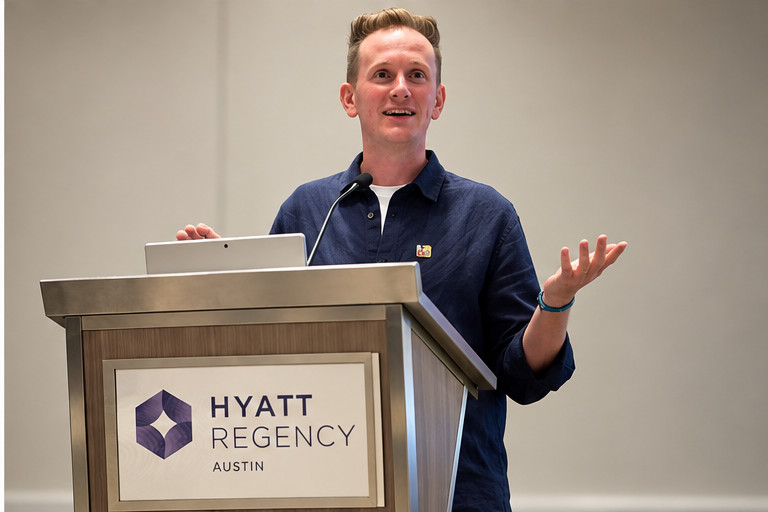
Christopher Knowlton Gave a Quick Update on LERN
Christopher Knowlton Outlines Expanded IALD Resources
Christopher Knowlton, Chief Executive Officer of the IALD, offered an update on the association’s growing library of professional resources.
One development involves the IALD website’s Industry Resources section. The association is expanding access to research, policy positions, and other materials that support lighting design
Christopher also encouraged industry members to participate in developing public policy statements and white papers. This initiative could become increasingly important as lighting designers confront changing energy regulations, sustainability requirements, and emerging technologies.
LERN Expands Access to Lighting Design Education
Christopher also highlighted the IALD’s Lighting Education Resource Network (LERN), an online education platform developed through the LIRC.
The platform provides on-demand access to educational programming, including recordings from six IALD conferences, according to the meeting update. For IALD members, the programming is available as a membership benefit.
LERN gives lighting designers access to educational content reviewed by IALD professionals. The platform includes technical, creative, and business-related subjects.
Members can complete courses at their convenience, revisit educational materials, and maintain records of their continuing education.
The program also creates opportunities for manufacturers to contribute educational content. However, IALD professionals review submissions to help maintain educational quality and relevance.
For an industry that frequently discusses the need to attract young talent, the LIRC meeting offered something encouraging: specific initiatives, measurable objectives, and a willingness to reconsider established practices.