

Andrea Hartranft: Agility May Decide the Future of Lighting Design
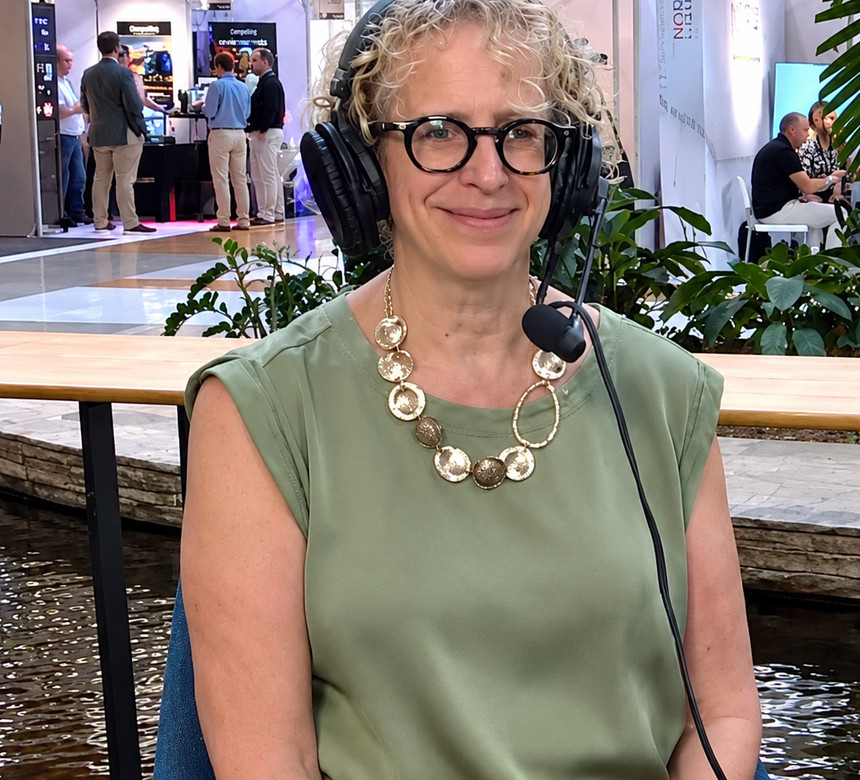
At the 2026 ArchLIGHT Summit in Dallas, I sat down with Andrea Hartranft, FIALD, CLD, Founder and Principal of Hartranft Lighting Studios. We have had many conversations over the years, but this was our first live discussion from the show floor.
We talked about how Andrea built the firm, why its remote structure became an advantage, what she is seeing in the lighting design business, and why adaptability may be critical to the future of the profession.
Thirteen Years of Growth
Andrea started the firm in 2013 with one other person, working remotely long before remote work became routine. She was living in Maryland while the company was organized in Charlotte, which meant frequent travel and heavy reliance on relationships she had already built.
She described those early years with humility and repeatedly used the word “lucky.” I pushed back a little. Luck matters, but people also have to trust you before they will join a young company or hand it important projects.
Andrea credited much of the firm’s growth to talented people who trusted her enough to come aboard. Over time, that team helped elevate Hartranft Lighting Studios while the remote structure gave the company access to designers far beyond one city.
A Remote Firm Before Remote Was Normal
What began as necessity eventually became part of the culture. Hartranft Lighting Studios has 16 designers spread across multiple states. Andrea said the ability to work remotely has helped the firm attract talent and serve a broad range of markets.
The firm is not chasing a specific headcount. If an exceptional person finds their way to the company, Andrea said they try to make room. She also values the mix of experience levels. The team learns from senior designers as well as younger ones, which matters as technology, client expectations and project delivery continue to change.
What Makes ArchLIGHT Summit Different
Andrea has attended ArchLIGHT Summit on and off since the event began. She believes the Dallas Market Center location gives the show something distinctive. Unlike a conventional lighting trade show, attendees can visit permanent showrooms serving hospitality, multifamily and other design markets. Designers can see products in person, understand pricing and get a better feel for how they may actually be specified.
Andrea also thought the educational sessions appeared stronger this year. Several had reached capacity, including a session on selectability featuring members of her team.
The discussion made a broader point: products and tools are not inherently good or bad. What matters is whether they are used appropriately. Poor application can reduce the quality of the built environment and weaken the value of professional lighting design.
The Business of Lighting Design
When I asked Andrea about the health of the lighting design business, she pointed to one of her firm’s biggest advantages: diversification. Hartranft Lighting Studios is spread across different regions and market sectors. That means the firm is less exposed if one area slows. Andrea cited office work as an example of a sector that can currently be uncertain.
A diversified practice can shift resources more easily, which brought her to a word that came up repeatedly in our conversation: agility.
“I think agility is probably about as critical an attribute for a design firm as you can have,” she said. That applies to more than economics. Firms are also dealing with new technology, changing project structures and questions about who controls lighting decisions.
When Bad Lighting Ruins the Experience
That led us into a conversation Andrea and I had only a week earlier.
I told her about visiting the Four Seasons Hotel in Nashville shortly after it opened. The interiors were impressive and the furniture was beautiful, but in my opinion the lighting hurt the experience so badly that my wife and I got up and left.
Andrea then told me that Shanna Snow Brown and the Hartranft Lighting Studios team were involved in a redesign.
She used the story to make a larger point. Lighting is not simply about footcandles, code compliance or fixture layouts. In hospitality, it is part of the experience. If someone is spending $80 on a steak, Andrea said, the lighting contributes to whether that experience feels worth it. A great interior can still disappoint if the lighting fails to support it.
What If Lighting Design Goes Away?
The most provocative part of our conversation came when I asked Andrea about the closing keynote she was preparing to deliver.
She described it as a “rose-colored glasses taken off” discussion about the future of the lighting profession. Andrea was careful not to suggest she could predict what comes next. Instead, she wanted the industry to confront difficult possibilities.
One of the questions she planned to raise was simple and uncomfortable: What happens if lighting design as a profession goes away?
Her point was not that this outcome is inevitable. Rather, ignoring the possibility does nothing to protect the profession. “You can put your head in the sand,” Andrea said, or designers can face change directly and find a way to “grab it back.”
Technology changes. Client expectations change. Procurement changes. Other disciplines may absorb responsibilities that once belonged clearly to lighting designers.
Her message was that firms willing to adapt will be positioned differently from those that insist on doing things exactly as they always have.
Protecting the Value of the Profession
There is a clear connection between Andrea’s story and her concerns about the future of lighting design. Hartranft Lighting Studios adopted a remote structure years before it became common. Instead of becoming a limitation, that flexibility helped the firm recruit nationally and diversify its work.
The same lesson may apply to the profession. Lighting designers cannot control every change coming to the industry, but they can control how they respond.
Andrea’s message was not pessimistic. It was a call to confront change early and continue proving the value of professional lighting design.
Good lighting does more than meet illumination levels. It creates atmosphere, supports architecture and shapes how people experience a space. The challenge is making sure clients continue to understand why the professional responsible for those decisions still matters.
Watch the Full Interview
Watch the full interview with Andrea Hartranft on YouTube