

HLB Opens Its Books—and Its Growth Debate
The HLB Lighting Design growth debate raised questions every expanding firm must answer: What will it cost? Who will manage it? And will a larger firm still feel like the company its people helped build?
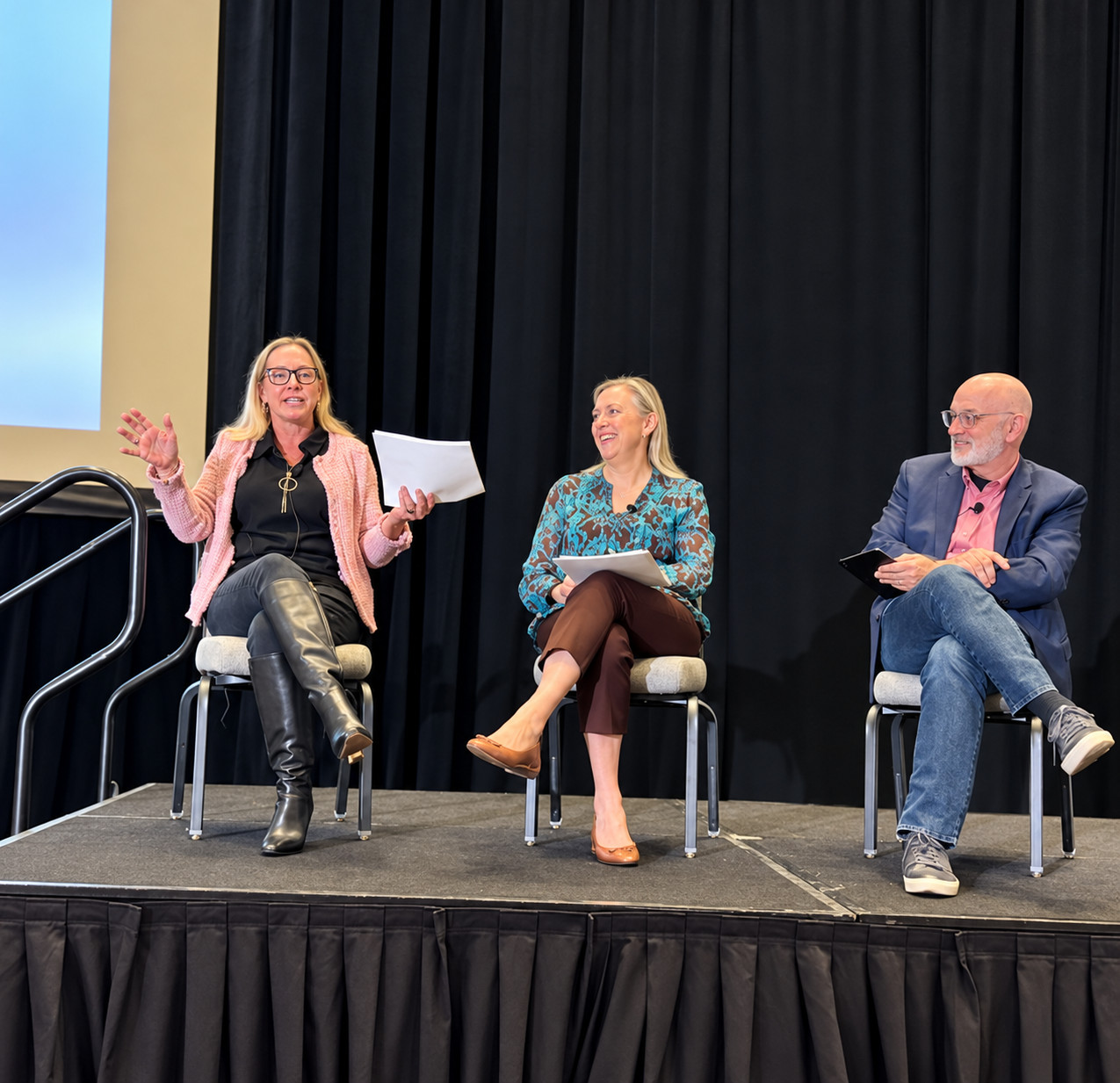
At IALD Enlighten Americas 2026, three leaders from HLB Lighting Design brought those questions to the stage. They did so through a skit that gave competing perspectives room to breathe.
Beth Nilsen, CPA, CGMA, Senior Principal and COO, moderated. Ken Douglas, FIALD, MIES, CLD, LC, LEED AP, Senior Principal, played the growth skeptic. Carrie Hawley, IALD, MIES, CLD, LEED AP, Senior Principal and CEO, made the case for growth.
HLB deserves credit for sharing its internal debates. For firm leaders weighing their own next steps, the willingness to show that tension made the session especially valuable.
Opening the Books
One of the presentation’s most significant revelations concerned a decision HLB made in 2018: opening its books to all employees.
That step gave team members visibility into the firm’s financial health and how their work affects it. It also connected the daily business of lighting design to the resources required to sustain a practice. Financial transparency gives employees context for decisions that might otherwise seem distant or arbitrary. Investments in people, systems, and expansion compete for resources. Sharing the numbers creates a foundation for explaining those choices.
However, access to information also raises expectations for leadership. Once employees can see the financial picture, principals must be prepared to discuss the decisions behind it.
HLB’s approach placed financial visibility within a broader strategic framework. Its presentation called for sharing numbers and targets across the team, making the plan something employees can understand and help advance.
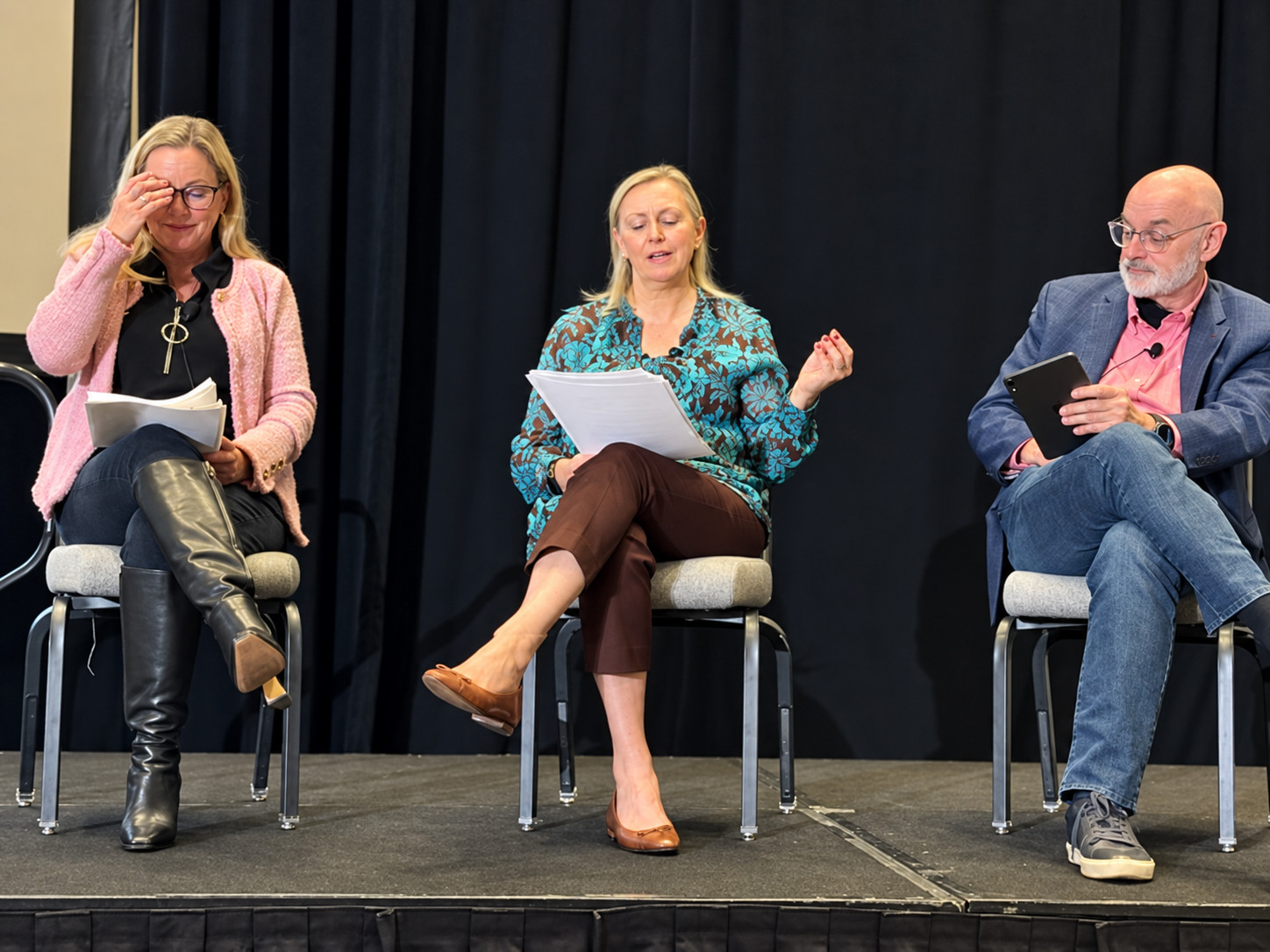
CEO Carrie Hawley Discusses the Benefits of Having a Large Organization
What Growth Can Make Possible
HLB presented itself as a firm with 10 design studios, more than 155 team members, and work across more than 20 market sectors. With over 55 years in business, it offered considerable experience behind the discussion. Still, the presentation’s argument for growth went beyond headcount or geographic reach.
Investment can create additional resources. Those resources, in turn, can support innovation and greater efficiency. Improved efficiency can strengthen margins, creating funds for future investment.
That cycle provides a business rationale for expansion. It also establishes a standard against which growth should be judged: What does it enable the firm to do better?
For a lighting design practice, the answer must connect to its ability to serve clients, support employees, and maintain its creative standards. Otherwise, a larger organization may simply carry larger demands.
The presentation also acknowledged risk directly. Growth involves uncertainty, but a shared direction and deliberate planning can make that uncertainty more manageable.
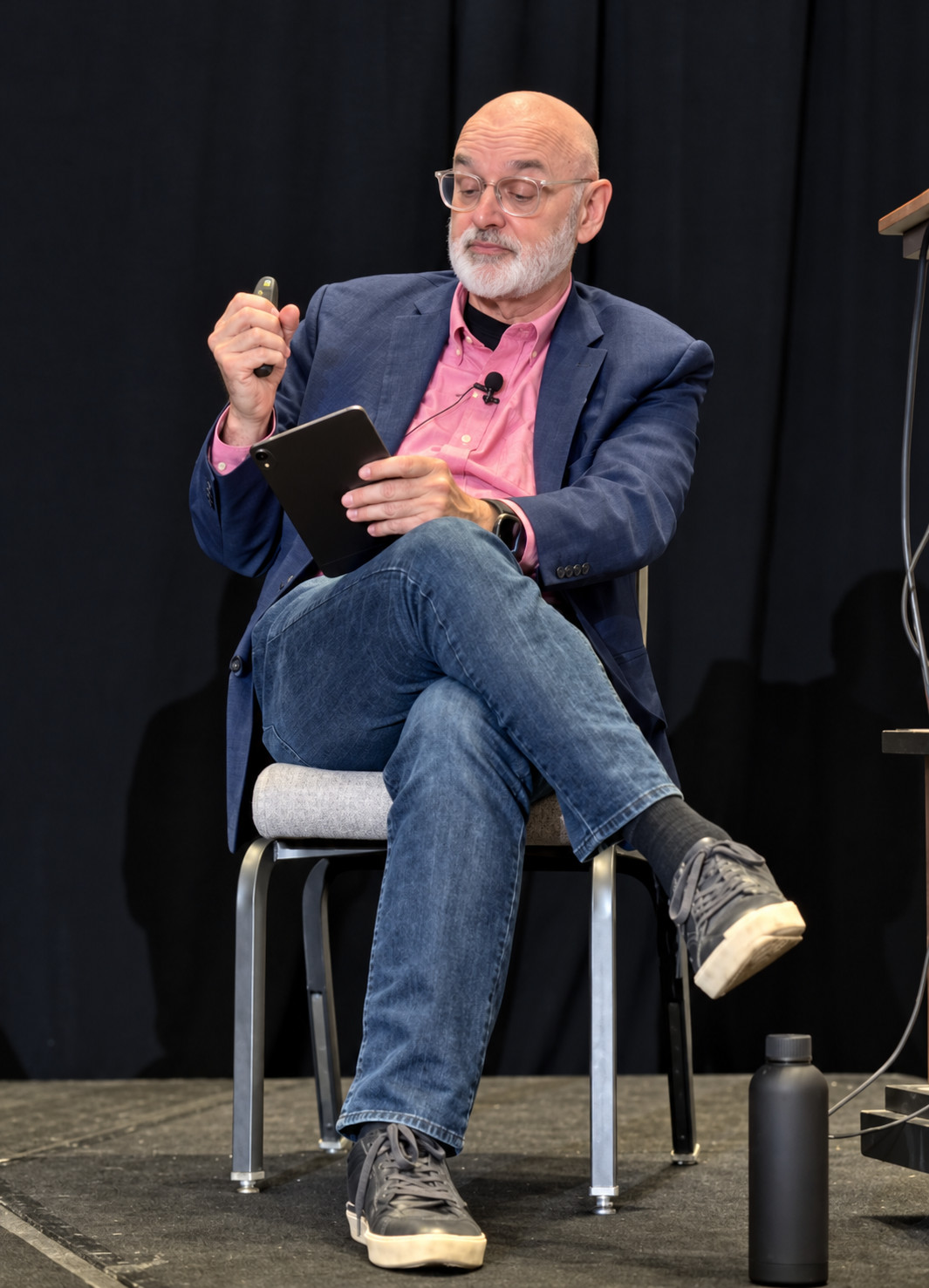
Ken Douglas Pretends to be Skeptical to Growth during the HLB Skit
A Broader Base for Resilience
Another argument centered on resilience.
A firm working across more geographies and market sectors has a broader base when conditions shift. Weakness in one market may coincide with opportunity elsewhere.
That does not eliminate exposure to economic cycles. However, it can give a practice more options when a particular sector slows or a regional market becomes difficult.
Ken’s skeptical role helped give this discussion weight. A presentation advocating growth benefits from someone questioning its assumptions. The skit allowed those concerns to become part of the conversation, making the case for expansion more credible.
For the audience, the value lay in watching leaders consider the tradeoffs that sit behind an organizational chart.
Principals Key Responsibilities
HLB’s leadership framework identified four roles principals must fulfill—and visibly demonstrate.
As design stewards, they protect and advance the firm’s creative standards. As business stewards, they model profitability, accountability, and sound daily practice.
They must also build relationships, opening doors while cultivating the next generation of client connections. Finally, they serve as mentors, helping others understand how design, clients, people, and business fit together.
Those responsibilities become particularly consequential as a firm expands. Leadership must create the conditions for good work while teaching others how to sustain the practice.
The framework also challenged principals to examine their own behavior. Employees learn what matters by watching where leaders spend their time, what they reward, and what they address.
A Plan Everyone Can Use
The presentation placed mission and vision at the foundation of growth decisions.
First, a firm must define why it exists and where it wants to go. Then, leadership must earn meaningful support for that direction. A mission gains practical value when people use it to evaluate opportunities.
HLB’s strategic planning framework followed a clear sequence: align leadership, establish priorities, assign champions and milestones, share targets, and adjust regularly.
The scope extended beyond expansion. Anything affecting the company’s ability to serve clients and meet its goals belonged in the strategic plan.
That approach makes strategy part of running the business. It gives leaders a place to address capacity, systems, staffing, and other issues that shape the client experience.
Growth Requires Sacrifice
In her concluding remarks, Carrie described the investment behind HLB’s ambitions.
The firm developed a substantial long-term vision and worked to bring its people along. It invested in employees, systems, and foundational capabilities, expecting those commitments to pay off over time. Owners also accepted less for a period to support that investment.
That detail grounded the session’s discussion of growth. Expansion requires choices about where money goes and who carries the near-term burden. Leadership buy-in must extend to those choices.
Carrie also acknowledged the difficulty of making time for this work amid daily demands. Building the future takes sustained attention while the current business still needs to perform.
For firms considering their direction, the session offered a useful challenge: define what progress should accomplish. That might mean greater reach, stronger profit, higher revenue per person, or better resources for the team.
HLB’s most valuable contribution was its candor. By opening both its books and its leadership debate, the firm showed the business decisions behind a growing design practice—and gave its peers a substantive conversation to take home.
Read more: At LIRC, IALD Education Trust Reports 71% Drop in Expenses