

IALD Recognizes Paul Gregory: Disco, Design, and Doing Business His Way
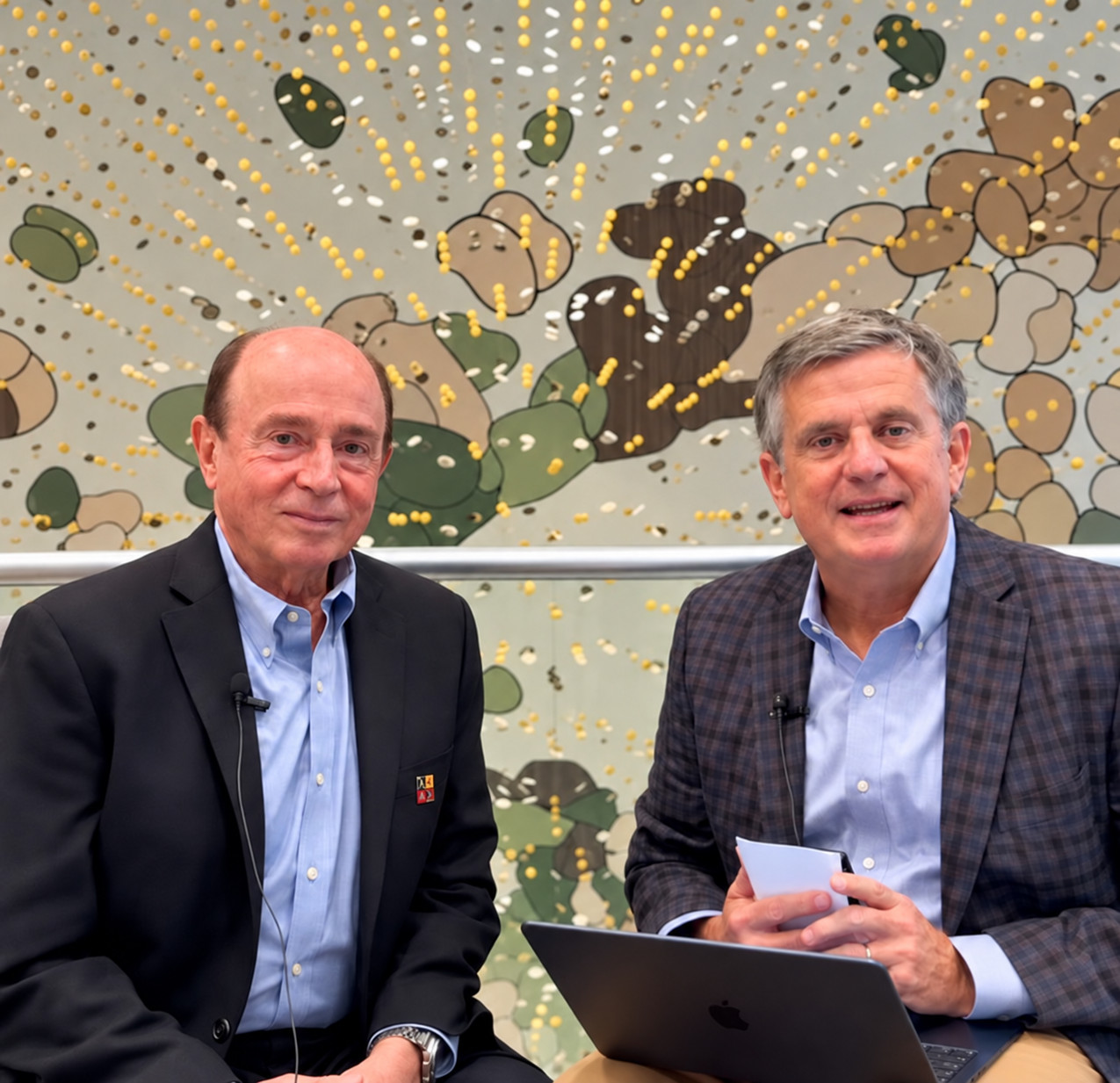
IALD recognizes Paul Gregory with its President’s Citation, bringing a deeply personal moment to Enlighten Americas in Austin. For the Focus Lighting founder, the honor acknowledged a career that challenged conventions about how lighting designers do business.
During our interview, Paul explained why this recognition stood apart from his many project awards. His firm’s approach to designing projects and supplying their lighting equipment had once placed him outside IALD’s membership framework. Now, he viewed the citation as acceptance of a different way to practice.
“I never thought I would accomplish that,” Paul said.
Our conversation explored the decisions behind that journey, from Saturday Night Fever to Focus Lighting’s business model, professional ethics, and the importance of testing every design.
Saturday Night Fever Started with a Phone Call
Paul recalled answering a call from producer Robert Stigwood while his team was designing New York clubs. The name meant little to him at first. Robert was the producer for the BeeGee’s and was interested in Paul’s lighted floor. The project, meanwhile, had none of the certainty that comes with looking backward at a cultural phenomenon.
Behind the dance floor’s appeal was a practical lighting idea. Paul liked the soft upward illumination associated with theatrical footlights. Incandescent lamps also offered the dimming response and color control he wanted.
His team developed illuminated cells, softened bright spots, and created different chase patterns. The result combined technical experimentation with a clear goal: Make the people on the floor look good.
Leaving Light Lab to Return to Design
According to Paul, Light Lab grew to 150 employees across five offices in five years. Yet that growth brought responsibilities that increasingly pulled him away from design.
A factory needs orders. A designer needs room to pursue ideas. As the business faced changing conditions, Paul decided to leave it with his partner, Rick Spaulding. He subsequently started Focus Lighting. “I wanted to be a designer,” Paul said. “That’s what I was trained as and that’s what I loved.”
The decision reflected a lesson that still shapes his thinking: Building a larger company does not automatically create a better one.
Hiring People Who Represent the Firm Well
Rapid expansion also changed Paul’s approach to hiring. Early on, he said, the company hired people it knew because it needed to grow quickly. In hindsight, familiarity alone was not enough.
Instead, Paul emphasized finding strong designers who also bring intelligence, kindness, and sound judgment. Those qualities matter when employees travel to represent the firm.
For Paul, a successful team needs more than creative ability. It needs people clients enjoy working with—and colleagues who help the next generation improve.
A Harlem Studio Built for Testing
That commitment to learning helped shape Focus Lighting’s Harlem workspace. Paul wanted designers together on one floor, where they could see one another and exchange information.
He also wanted a double-height mockup area with long sightlines. A lighting effect viewed from a few feet away may read differently across a hotel lobby. Therefore, the studio needed space to test both experiences. His advice to young designers was equally practical. Visit comparable projects. Take photographs and light-level readings. Study what succeeds and what fails.
Preparation, he argued, gives a young designer authority. Age matters less when someone arrives with the strongest understanding of the problem.
Why Focus Lighting Began Supplying Equipment
The conversation then turned to a business decision that challenged industry convention.
Paul traced Focus Lighting’s equipment-supply model to its work for Planet Hollywood. He recalled a project where the final equipment cost substantially exceeded the design-stage budget. Frustrated with the purchasing process, the client asked Focus Lighting to take responsibility.
Paul saw an opportunity to offer a fixed price while accepting accountability for the outcome. However, he said the firm established an important boundary with manufacturers: It would supply its own designs and would not bid on other designers’ projects. “If there was a problem, it was our fault,” he said.
Independence, Membership, and Ethics
That model also created friction with traditional definitions of independent lighting design. Paul said he could not join IALD under its earlier membership framework. Nevertheless, he acknowledged the concerns behind those restrictions. The profession wanted to protect the designer’s role from competing commercial interests.
Paul’s disagreement centered on whether business rules could guarantee ethical behavior.
“You can’t legislate ethics,” he said.
His position was that professional conduct requires clear principles and personal responsibility. The discussion underscored how deeply business structure and professional identity can become intertwined.
IALD changed their bylaws to allowing designers to earn non-traditional sources of revenue.
Bringing the Marcus Center’s Creativity Outside
When I asked about a favorite project, Paul chose Milwaukee’s Marcus Center for the Performing Arts. His concept was to bring the creativity of its stages onto the building’s strong exterior surfaces.
The team drew inspiration from Georgia O’Keeffe’s flower paintings. Rather than create constant movement, Paul described slowly changing compositions that allowed viewers to encounter different scenes over an evening.
He also built an illuminated presentation model to help communicate the proposal. Once again, demonstrating the effect proved more persuasive than simply describing it.
IALD Recognizes Paul Gregory: A Career Comes Full Circle
Paul has received numerous awards for his projects. However, the President’s Citation touched something more personal: the business approach he spent years defending.
During our conversation, he recalled an encounter with an IALD president who joked that earlier descriptions had made Paul sound like someone with “two heads.” The story drew a laugh, but it revealed how strongly some had opposed his model.
Consequently, the recognition in Austin carried weight beyond another award. Paul saw it as an acknowledgment that his approach could contribute to the profession he loved.
His career offers plenty of memorable lighting stories. Yet this chapter concerns the business behind the work—and what happens when an industry makes room for someone who challenged its assumptions.
Watch the full YouTube interview with Paul Gregory for more on his career, projects, and approach to the business of lighting design.
More IALD Enlighten Americas: HLB Lighting Design Growth: A Candid Debate at IALD
Celestial Park Lighting at IALD. When Light Becomes the Story
Don’t Just Press the Button: Randall Fisher on AI for Lighting Design